
Foggy Between the Panes: Failed Seals and Your Real Repair Options
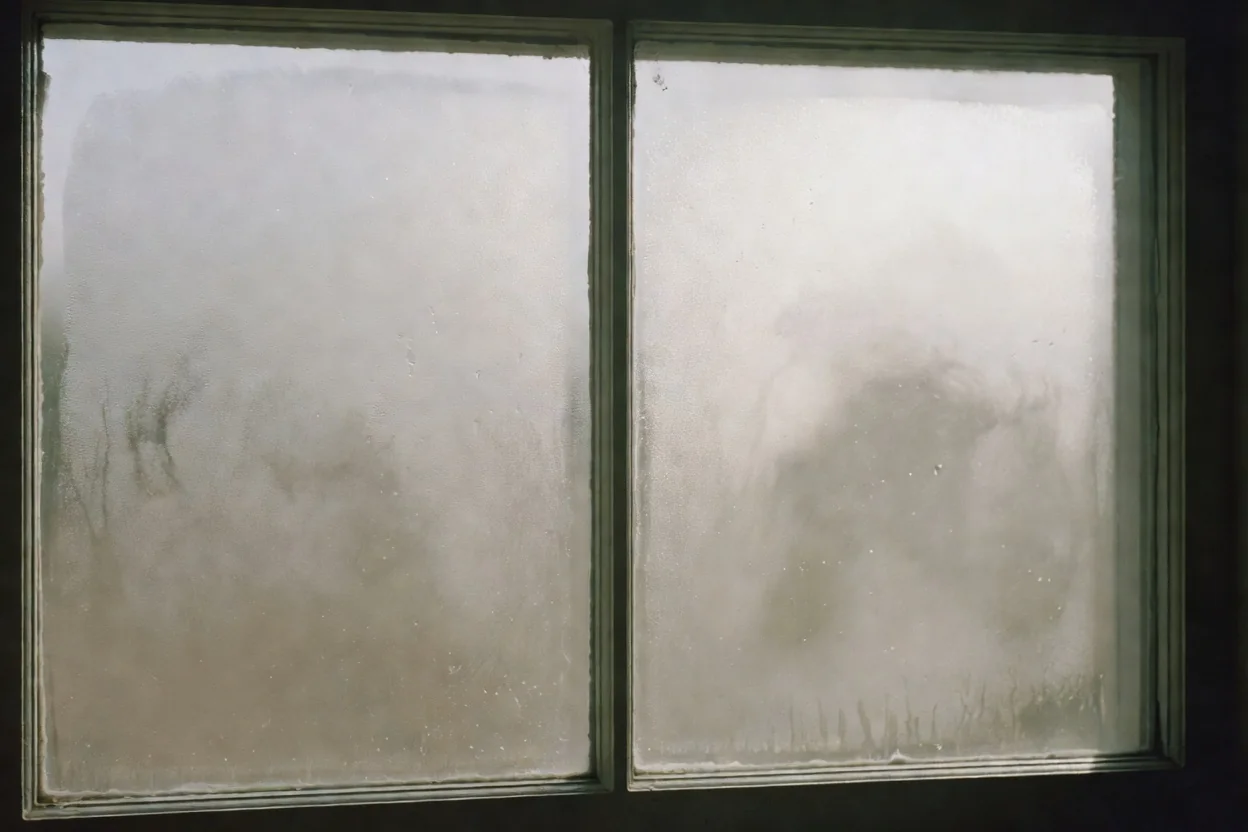
When condensation appears between the two panes of a double- or triple-glazed window, the seal has failed. Moisture has crept past the edge spacer and saturated the desiccant that was meant to keep the space dry. In 2026 this remains one of the most common reasons homeowners finally replace windows that are otherwise structurally sound.
Before you assume the worst, confirm the fog is truly between the panes. Breathe on the inside surface; if the cloud disappears quickly, the problem is inside the house. If the haze stays fixed no matter how you wipe or ventilate, the insulated glass unit (IGU) itself is compromised. The desiccant is spent, the butyl or silicone edge seal has cracked from thermal cycling or age, and the unit will never clear on its own.
Why Seals Fail and What the Warranty Might Cover
Most residential IGUs carry a warranty against seal failure that ranges from five to twenty years depending on the original installation date and glass type. In 2026 many warranties remain non-prorated for the first ten years, meaning a manufacturer or installer may still supply a new sealed unit at little or no cost if you meet the claim criteria. Always locate your original paperwork or window sticker before calling anyone. Note that labor to remove the old unit and install the replacement is rarely covered after the first year.
Three Practical Repair Paths
Once you have verified the failure, you face three realistic choices. The first and most permanent is full IGU replacement. A glazier removes the sash or, in many cases, simply pops the glazing stops, extracts the failed unit, and sets a new sealed unit into the existing frame. This approach preserves your current trim, hardware, and exterior appearance while restoring clarity, energy performance, and sound control.
The second option is a professional defogging service. Technicians drill small holes, flush out the moisture, recharge or replace the desiccant, and reseal the unit. Results vary. Some windows stay clear for three to seven years; others fog again within eighteen months because the original spacer and edge seal remain compromised. Defogging costs less upfront but is considered a temporary fix by most building professionals.
The third path is to do nothing. In mild climates this may be tolerable. In colder regions the lost insulation value can raise heating bills by 8–15 percent on affected walls, promote interior condensation on the room-side pane, and accelerate frame rot if moisture migrates into wood. Over a decade the comfort and energy cost can easily exceed the price of replacement.
- Measure the exact glass size in both width and height at three points to confirm the unit is square
- Check whether the window is fixed or operable and note the sash type
- Photograph the fog pattern and any visible edge-spacer corrosion
- Locate the original warranty card or etched glass date code
- Verify local building-code requirements for glazing in your climate zone
Typical Cost Ranges and Longevity
Costs vary widely by region, window size, and house accessibility, so treat the figures below as 2026 illustrative ranges only. Always obtain at least three quotes from local glaziers. Replacement of a standard 3-by-5-foot double-glazed IGU typically lands between $280 and $620 per window when labor is included. Defogging services generally run $110 to $240 per window. Doing nothing costs zero now but may add $35–$85 annually in extra energy use per affected window over time.
| Option | Typical Cost per Window | Visual Result | Expected Longevity |
|---|---|---|---|
| Full IGU replacement | $280–$620 | Like-new clarity and performance | 15–25 years |
| Professional defogging | $110–$240 | Clear for now, may haze again | 2–7 years |
| Do nothing | $0 upfront | Fog remains | Indefinite (with comfort loss) |
Replacement usually keeps the existing frame, provided the sash is still square and the seals around the frame are intact. This saves significant labor and preserves interior millwork. When shopping quotes, ask each glazier whether they will remove and reinstall the sash or work from the exterior. Confirm they will dispose of the old glass responsibly and that the new unit meets current energy-code standards for your area. With accurate measurements and a few phone calls, most homeowners can resolve foggy panes within a single season and avoid years of gradual performance decline.