
Glass Warranties: What They Actually Cover and What They Quietly Exclude
When you invest in new windows or glass doors, the warranty paperwork often feels like an afterthought—until something goes wrong. In 2026, most residential glazing projects still follow a clear split: the sealed insulating-glass unit carries a manufacturer warranty, while the labor and installation fall under a separate installer warranty. Understanding this division helps homeowners avoid surprises when condensation appears between panes or a seal begins to fail.
Seal-failure coverage remains the most commonly claimed benefit. Typical manufacturer warranties on the sealed unit run in three tiers: five years for basic units, ten to fifteen years for mid-range residential glass, and up to twenty-five years on premium low-E products. These periods reflect common industry practice rather than legal requirements. Always verify current local building-code requirements with your municipality and obtain multiple quotes from local glaziers before signing.
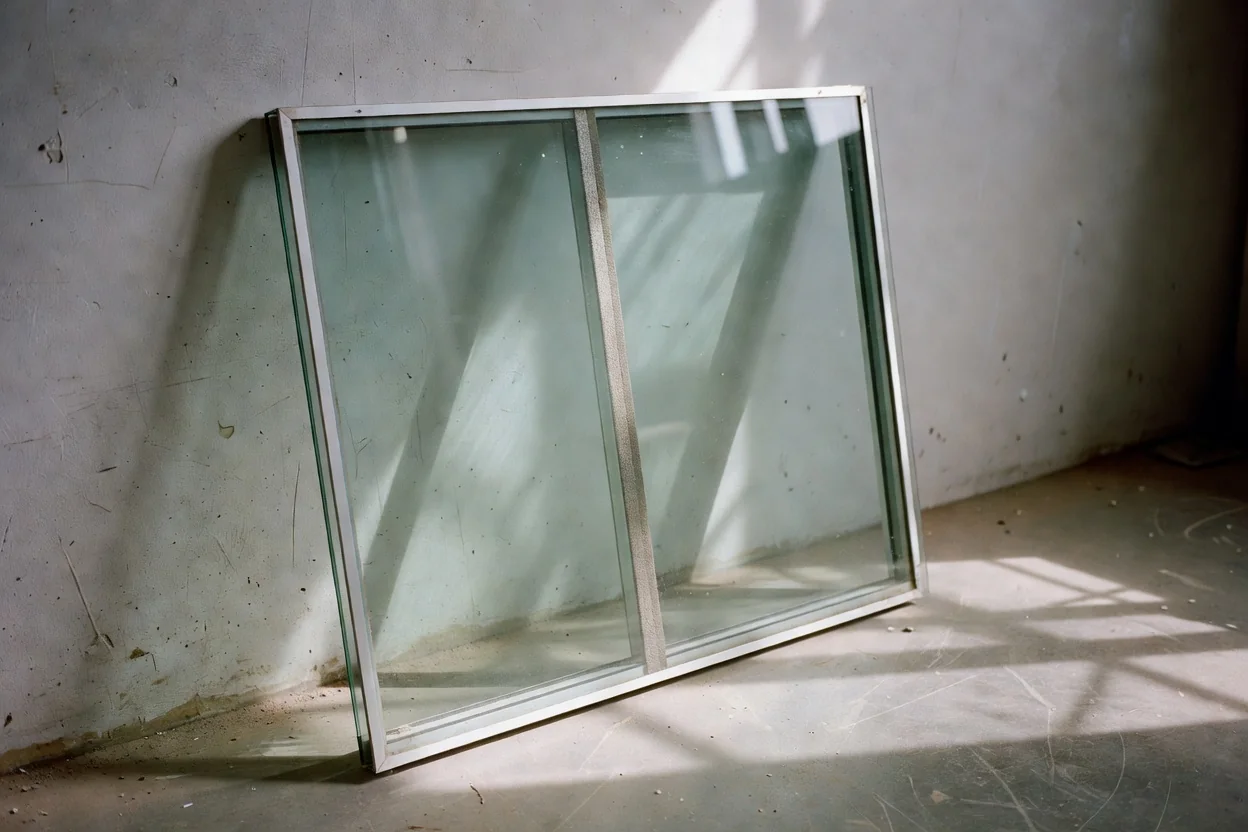
What Usually Gets Covered
Manufacturer warranties typically address defects in materials and workmanship that cause seal failure, allowing moisture or dust to enter the space between panes. When this occurs within the stated period, the glass unit is often replaced at no charge for the product itself. Installer warranties, usually lasting one to five years depending on the contract, cover proper setting, alignment, flashing, and sealing against water intrusion. Claims filed in the first two years after installation are generally resolved fastest because records are fresh and installers remain motivated to protect their reputation.
What Is Quietly Excluded
Spontaneous breakage and stress cracks sit at the top of most exclusion lists. Glass can fracture from undiscovered manufacturing flaws, but proving the exact cause is difficult; therefore, warranties commonly exclude breakage not caused by obvious external impact. Thermal stress cracks—thin, straight lines that appear after extreme temperature swings—are also routinely denied unless the glass was explicitly rated for the local climate. Other frequent exclusions include damage from settlement, improper maintenance, or after-the-fact modifications such as adding security film without professional advice.
| Warranty Component | Typical Coverage (Common Practice) | Typical Exclusions (Common Practice) |
|---|---|---|
| Sealed Unit Seal Failure | 5–25 years, glass replacement only | After warranty expires, labor costs |
| Installation Labor | 1–5 years, workmanship fixes | Normal settling, homeowner modifications |
| Spontaneous Breakage | Rarely covered beyond 1 year | Almost always excluded |
| Stress Cracks from Thermal Shock | Usually none | Excluded unless climate-specific glass specified |
| Condensation on Exterior Surfaces | Not covered | Normal in high-humidity conditions |
Transferability matters when selling a house. Most warranties follow the property rather than the original owner, but documentation must be complete. Buyers often request proof that the glass meets the original specifications, so keeping records becomes essential. Etch marks or permanent labels in the corner of the glass serve as factory fingerprints; pair them with dated invoices and the original contract to strengthen any future claim.
Documents Worth Keeping
- Original sales contract and itemized invoice showing glass specifications
- Manufacturer warranty certificate with serial numbers
- Installer warranty statement and contact details
- Installation photos taken on the day of completion
- Any building-permit sign-offs or energy-compliance forms
Filing a claim follows a straightforward sequence. First, document the issue with clear photographs in natural light, noting dates and room locations. Second, contact the installer first if the problem appears within the labor warranty window; many issues are resolved on-site without involving the manufacturer.
Third, if the sealed unit itself has failed, the installer typically coordinates the replacement and handles the manufacturer claim on your behalf. Finally, keep copies of all correspondence and follow up in writing if responses lag beyond two weeks. Local glaziers can provide guidance tailored to regional climate and code nuances, so treat the ranges above as illustrative only and always confirm specifics before purchase.
Glass warranties exist to protect against genuine defects, not everyday wear or extreme conditions. Reading the fine print, maintaining records, and choosing experienced local installers remain the most reliable ways to ensure your investment stays protected for years to come.