Glass Railings and Balustrades: Safety Rules for Stairs, Decks and Balconies
In 2026, glass railings and balustrades have become the go-to choice for homeowners who want unobstructed views without sacrificing safety on stairs, decks, and balconies. These elegant systems replace traditional wood or metal barriers with crystal-clear panels that blend seamlessly into modern architecture. Yet beauty must never come at the expense of strength. Understanding the core safety rules helps ensure your installation protects family and guests for decades.
Glass selection sits at the heart of every safe design. Monolithic tempered glass, while strong on impact, can shatter into thousands of tiny pieces if its surface is ever compromised. That is why professionals insist on tempered-laminated or heat-strengthened laminated glass. The interlayer holds the fragments together even after breakage, preventing dangerous falls. This laminated construction turns a potential catastrophe into a contained event, giving occupants time to step back safely.
Frameless versus Post-and-Rail Systems
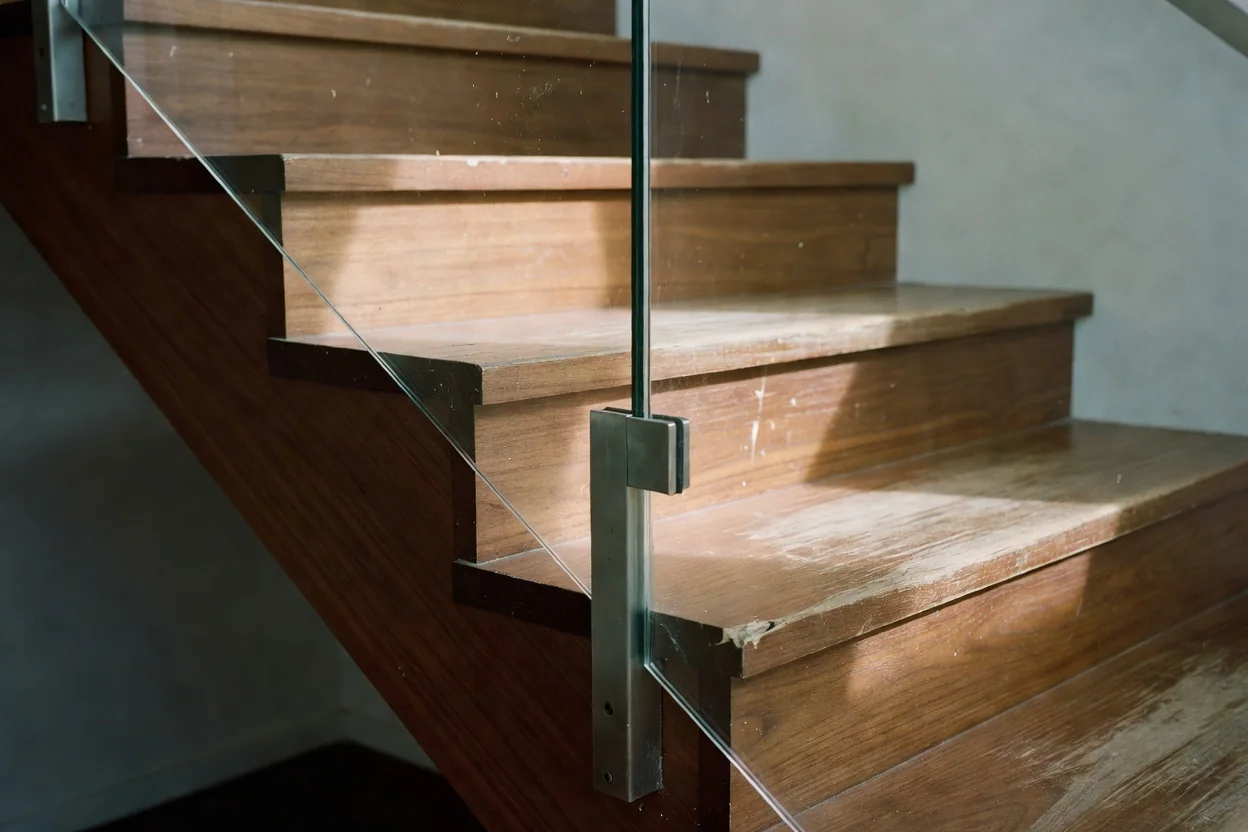
Designers choose between two main approaches. Frameless systems rely on point-fixed hardware or continuous base channels that leave the glass edges exposed for a floating appearance. Post-and-rail systems use vertical posts and a continuous top rail to carry the majority of the structural load. Both can meet safety standards when engineered correctly, but the choice affects hardware requirements, wind-load resistance, and long-term maintenance. A top rail, when used, should be sturdy enough to serve as a reliable handrail—typically 34–38 inches above the walking surface—providing continuous graspable support along the entire run.
Load requirements focus on two concepts: concentrated loads and uniform pressure. A railing must resist a sudden push from a person leaning against it, as well as sustained wind or crowd pressure. These forces are calculated by engineers based on height, location, and exposure. Rather than chasing specific code numbers that vary by jurisdiction, focus on the principle: the system must remain stable under foreseeable human and environmental forces. Always have a licensed structural engineer review the plans and sign off on the final installation before use.
Edge Quality, Hardware, and Ongoing Care
Polished or beveled edges are more than cosmetic. They reduce stress concentrations that could lead to spontaneous breakage and protect hands from sharp corners. High-quality stainless-steel fittings, properly torqued during installation, resist corrosion even in coastal environments. Over time, however, thermal movement, vibration, and weather can loosen bolts and brackets. Annual inspections catch problems before they become hazards.
- Visible gaps appearing between glass panels and hardware
- Any glass panel that rocks or shifts when gently pushed
- Cracks radiating from drilled holes or edge clamps
- Rust or staining around metal fixings
- Handrail that feels loose or wobbly under normal pressure
| System Type | Appearance | Structural Load Path | Maintenance Level |
|---|---|---|---|
| Framed | Traditional look with visible metal surrounds | Primarily through perimeter frame | Lowest—fewer exposed fittings |
| Semi-frameless | Glass panels with minimal top rail only | Shared between posts and top rail | Moderate—inspect clamps yearly |
| Frameless | Clean, uninterrupted views | Directly through base channel or point fixes | Highest—check all hardware regularly |
Maintenance checks should include tightening accessible fittings to manufacturer-recommended torque values and looking for any signs of glass edge damage. If you notice any of the warning signs listed above, cordon off the area immediately and consult a qualified glazier. Local building codes continue to evolve; always verify the latest requirements in your municipality and obtain multiple quotes from experienced local installers who understand regional wind and seismic demands.
Glass railings deliver stunning aesthetics when installed correctly. By choosing the right laminated glass, respecting load principles, demanding quality fabrication, and committing to regular inspections, homeowners can enjoy open, light-filled spaces with complete confidence in their safety through 2026 and beyond. A final structural sign-off by a licensed professional remains the smartest investment you can make.