
Skylights and Overhead Glazing: What Belongs Above Your Head
Overhead glazing transforms a dull ceiling into a source of natural light, but it also turns every square foot above your head into a potential hazard if the material fails. In 2026 most building codes treat skylights and sloped glazing with the same seriousness as a balcony railing: if it breaks, the shards must not become projectiles. That is why laminated glass or an inner laminated lite is now the default requirement for any glazing installed more than a few degrees from vertical.
The logic is straightforward. Ordinary tempered glass, while strong, shatters into thousands of small dice when its surface is breached. From an overhead position those dice rain down with surprising force. Laminated glass, by contrast, holds the fractured pieces together in a flexible sheet, dramatically reducing both the size and velocity of falling debris. Local inspectors rarely approve tempered-only skylights anymore unless the unit sits behind a protective screen or is located in a low-risk residential atrium.
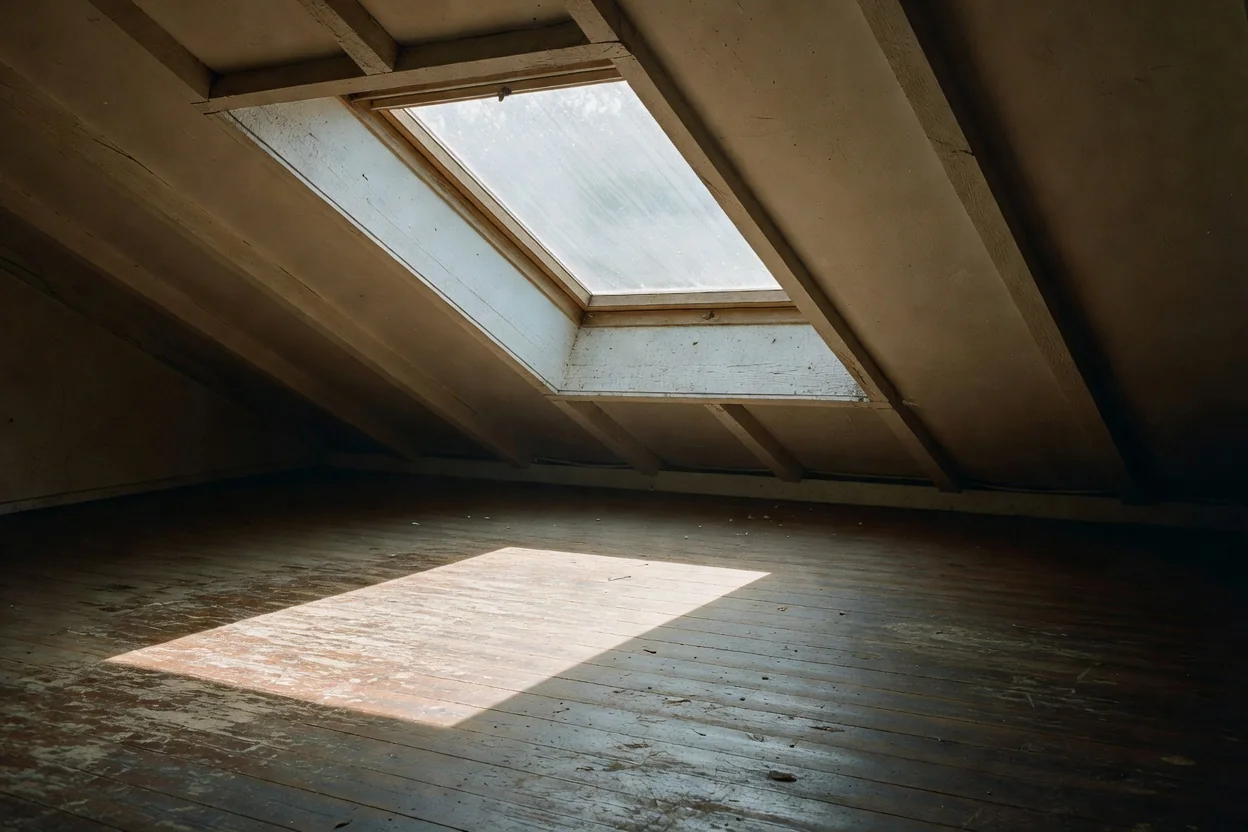
Flat Glass versus Acrylic Domes
Acrylic dome skylights still appear in many retrofit catalogs because they are lightweight and inexpensive to ship. A molded acrylic bubble can flex under moderate hail or snow without immediate fracture, yet prolonged ultraviolet exposure makes the plastic brittle and prone to crazing. Flat glass skylights, when properly glazed with low-iron laminated units, offer better clarity, superior thermal performance, and far longer service life. The trade-off is weight: a code-compliant glass skylight can weigh three times as much as an equivalent acrylic dome, requiring sturdier curb framing and flashings.
Hail, Snow, and Load Considerations
Regions that routinely see large hail or heavy snow loads increasingly call for impact-rated glazing or additional sacrificial layers in overhead applications. A 50 mm hailstone striking a 6 mm tempered lite at terminal velocity can create a starburst fracture pattern that compromises the entire pane. Laminated constructions absorb that energy by delaminating locally while keeping the sheet intact.
Similarly, accumulated wet snow exerts both static pressure and melt-freeze cycling that can destroy aged seals in a single winter. Always verify the specific ground-snow-load and hail-zone maps published by your local building department; the numbers change by municipality and are updated regularly.
Signs Your Existing Skylight Has Reached Its Limit
Older units often announce their decline through visible symptoms. Look for widespread crazing on the outer pane, condensation between layers that never clears, or gaskets that have hardened and begun to pull away from the glass. A dome that feels soft under hand pressure or shows yellowing around the edges is almost certainly due for replacement. Failed thermal seals not only waste energy but allow water to migrate into the framing, accelerating rot in wood curbs or corrosion in aluminum ones.
- Check for fogging or mineral deposits between glass layers
- Inspect perimeter gaskets for shrinkage, cracking, or missing sections
- Look for frame deflection or standing water on the glazing
- Test operation of any vents; sticky mechanisms often indicate deeper seal failure
- Examine interior ceiling stains directly below the skylight for hidden leaks
Rough replacement cost tiers, expressed as typical illustrative ranges per opening in 2026 dollars, help set expectations before you call for bids. A standard 600 mm by 900 mm curb-mounted residential unit with laminated low-E glass usually falls between $1,200 and $2,400 installed. Larger atrium-style assemblies or custom sloped glazing can range from $4,500 to $9,000 depending on height, access difficulty, and structural reinforcement required.
Acrylic dome replacements remain the least expensive option at $650–$1,400 but may not satisfy updated code in hail-prone zones. These figures exclude major framing upgrades or electrical work for motorized units. Always obtain at least three quotes from local glaziers and confirm exact code compliance with your building department.
| Glazing Type | Impact Resistance | Typical Lifespan | Code Acceptance for Overhead Use | Relative Cost |
|---|---|---|---|---|
| Tempered monolithic | Low | 10–15 years | Rarely accepted | Low |
| Laminated glass (standard) | High | 25–40 years | Widely accepted | Medium |
| Laminated low-E with argon | High | 30–50 years | Preferred in most jurisdictions | Medium-high |
| Acrylic dome (UV-protected) | Medium | 12–20 years | Accepted only in low-hail zones | Low |
Regular inspection remains the best defense against sudden failure. Treat any overhead glazing older than twenty years with caution and budget for replacement before the next major storm season arrives. A properly specified and installed skylight should deliver decades of safe daylight once the right glass is chosen and the framing is sound.