Annealed Glass: What Standard Panes Are and When They Are Enough
In 2026, many older homes still rely on annealed glass for everyday windows and doors. Also called standard float glass, it remains the baseline choice for countless installations where safety glazing is not required by code. Homeowners who understand its strengths and limitations can make smarter repair and upgrade decisions without overspending.
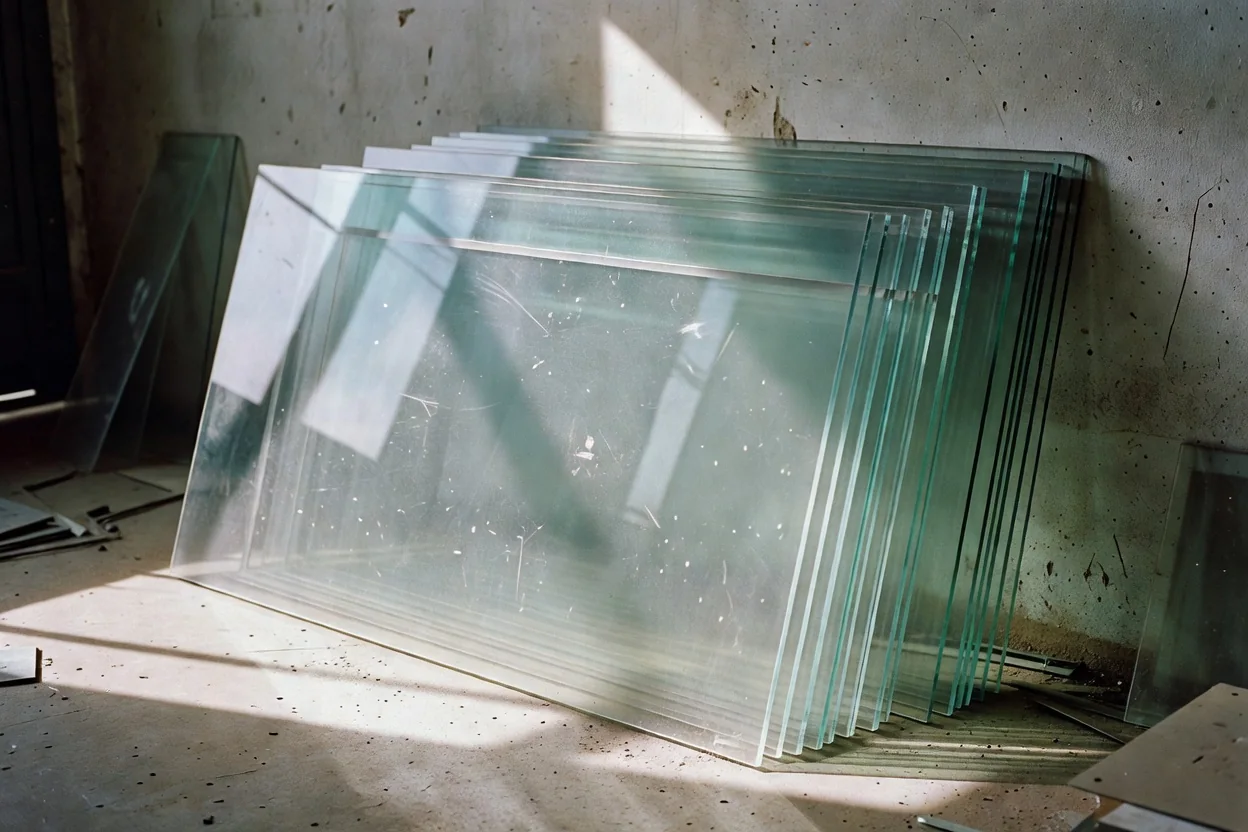
Float glass earns its name from the manufacturing process: molten silica is poured onto a bath of molten tin, forming a perfectly flat ribbon as it cools. The result is clear, distortion-free panes that are inexpensive to produce and easy to cut on site. Because it cools slowly, internal stresses stay low, which makes the glass straightforward to handle but also means it will fracture into large, jagged shards when struck hard enough.
How Annealed Glass Breaks
Unlike tempered glass that explodes into thousands of tiny, relatively blunt granules, annealed glass fails with sharp, dagger-like pieces that can cause serious cuts. This predictable but hazardous behavior explains why modern building codes limit its use in high-risk locations. In low-traffic areas, however, the material still performs reliably for decades.
Where Standard Panes Remain Acceptable
Annealed glass continues to serve well in situations where human impact is unlikely. Small high windows above kitchen counters, fixed picture windows set well away from doors and walkways, and upper-floor transoms often meet code without safety glazing. In many neighborhoods built before the mid-1990s, original 3/32-inch or 1/8-inch single-pane annealed glass is still in place and functioning.
Typical thicknesses found in older homes range from 3/32 inch (2.4 mm) for very small lights up to 1/4 inch (6 mm) for larger picture windows. These dimensions remain industry standards, though exact requirements vary by jurisdiction. Always verify local building-code requirements before finalizing any replacement plan and obtain quotes from local glaziers to understand true installed costs.
Why Upgrading to Safety Glass Is Often Worthwhile
Replacing a broken annealed pane with tempered or laminated glass adds a meaningful safety margin, especially in homes with children or elderly residents. While annealed glass sits at the lowest price point—often 30-50 percent less than tempered equivalents—the modest premium for safety glazing buys peace of mind and may reduce insurance claims after future accidents. Modern low-E coatings can be applied to safety glass without dramatically increasing cost, improving energy performance at the same time.
- Sliding patio doors and their sidelights
- Windows within 18 inches of the floor
- Glass panels beside entry doors
- Shower enclosures and tub surrounds
- Storm doors with large glass areas
| Glass Type | Break Behavior | Typical Use Case |
|---|---|---|
| Annealed (standard float) | Large sharp shards | Low-risk fixed windows |
| Tempered | Small blunt granules | Doors, low windows, showers |
| Laminated | Cracks but holds together | Skylights, hurricane zones, security |
Choosing the right glass ultimately balances budget, safety, and local regulations. For many standard openings far from walking paths, annealed panes remain perfectly sufficient. In higher-risk spots, the upgrade cost is usually recovered through improved comfort and reduced liability. Talk with local professionals, understand the specific demands of your climate and home layout, and select the material that truly fits your needs in 2026 and beyond.