
Glass Thickness Explained: From Thin Picture Panes to Structural Panels
Glass thickness might seem like a minor detail until your new window arrives and the glazier asks whether you want 4 mm, 6 mm, or 10 mm. In 2026 residential work the difference between these numbers affects everything from how a pane reflects light to whether it can stand up to a stiff coastal wind. Understanding the basics helps you read a quote, avoid overpaying for unnecessary heft, and make sure the glass you choose actually fits the job.
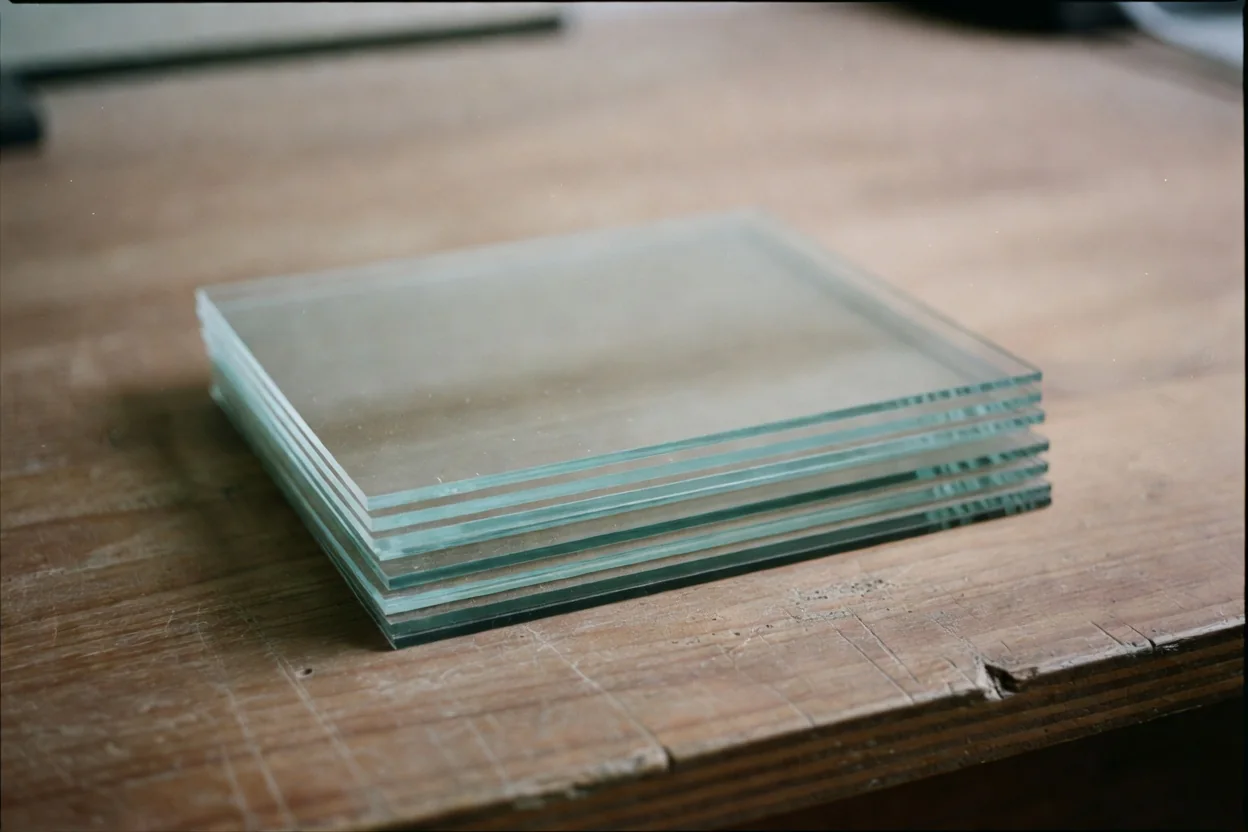
Most home glass falls into a handful of standard metric thicknesses. Picture-frame glass usually starts around 3 mm. Standard double-hung or casement windows often use 4 mm or 5 mm. Shower enclosures and small structural panels commonly run 6 mm to 8 mm, while larger fixed panels or doors may call for 10 mm or 12 mm when the span or wind load demands it. These are not random figures; they have grown from decades of practical testing and regional building traditions.
How Thickness, Size, and Wind Load Connect
Think of glass as a flexible membrane. The larger the area, the more it wants to bow in the middle when wind pushes against it. Thicker glass resists that bending simply because there is more material to share the stress. A 1.2 m by 1.2 m picture window in a sheltered suburb might perform well at 6 mm, but the same size on a third-floor beach house could need 10 mm to meet code. Local wind-load maps dictate the minimum, so always check your municipality’s requirements rather than guessing.
Why Thicker Is Not Automatically Better
Every extra millimetre adds noticeable weight. A 10 mm pane for a tall patio door can weigh twice as much as a 6 mm version, putting extra strain on hinges, rollers, and the frame itself. Cost climbs steeply too; the jump from 6 mm to 10 mm often increases the price per square metre by 40–70 percent once you factor in handling and tempering. In older American homes you may still see references to “single strength” (roughly 2.2–2.5 mm) and “double strength” (roughly 3.2–3.8 mm) labels on replacement quotes. These are legacy imperial terms that glaziers still use when matching existing wood sash.
On a professional glazing quote the thickness usually appears next to the glass type: “6 mm clear tempered” or “10 mm low-iron laminated.” If the quote simply says “standard” or “per code,” ask for the exact millimetre measurement. That single number tells you whether the supplier is proposing the lightest acceptable option or something heavier for extra peace of mind.
Common Thicknesses and Typical Residential Uses
| Thickness (mm) | Typical Uses | Notes |
|---|---|---|
| 3–4 | Picture frames, small cabinet doors, interior shelves | Light, easy to cut, limited wind resistance |
| 5–6 | Standard home windows, shower enclosures up to 1 m wide | Most common residential thickness, good balance of cost and strength |
| 8 | Larger shower panels, interior partitions, small fixed windows | Often tempered; handles moderate wind loads |
| 10–12 | Patio doors, large fixed panels, balustrades, high-wind areas | Heavy; usually tempered or laminated; verify frame capacity |
Takeaway Rules for Everyday Decisions
- Match thickness to both size and local wind-load requirements; bigger panes need thicker glass or lamination.
- Remember weight: thicker glass can overwhelm older window hardware or lightweight aluminium frames.
- Expect a noticeable price step every 2 mm beyond 6 mm; ask for alternatives if the quote feels high.
- Single-strength and double-strength labels on older quotes refer to approximately 2.5 mm and 3.5 mm respectively; confirm the metric equivalent before ordering.
- Always request the exact millimetre thickness on any quote and verify that it satisfies your local building code.
Choosing the right glass thickness is less about finding the strongest option and more about finding the one that is appropriate for the opening, the climate, and the frame that will carry it. A short conversation with a local glazier, armed with the numbers above, usually leads to a solution that looks good, performs well, and stays within budget.