Patterned, Frosted and Obscure Glass: Privacy Without Losing Light
In 2026, homeowners and designers continue to seek smarter ways to balance privacy and natural light. Patterned, frosted, and obscure glass options deliver exactly that: they diffuse visibility while allowing daylight to flow deep into interiors. Whether you are updating a bathroom, adding sidelights beside an entry door, or dividing an open-plan office, the right choice depends on how much light you want to keep, how the surface will be maintained, and where the glass will sit.
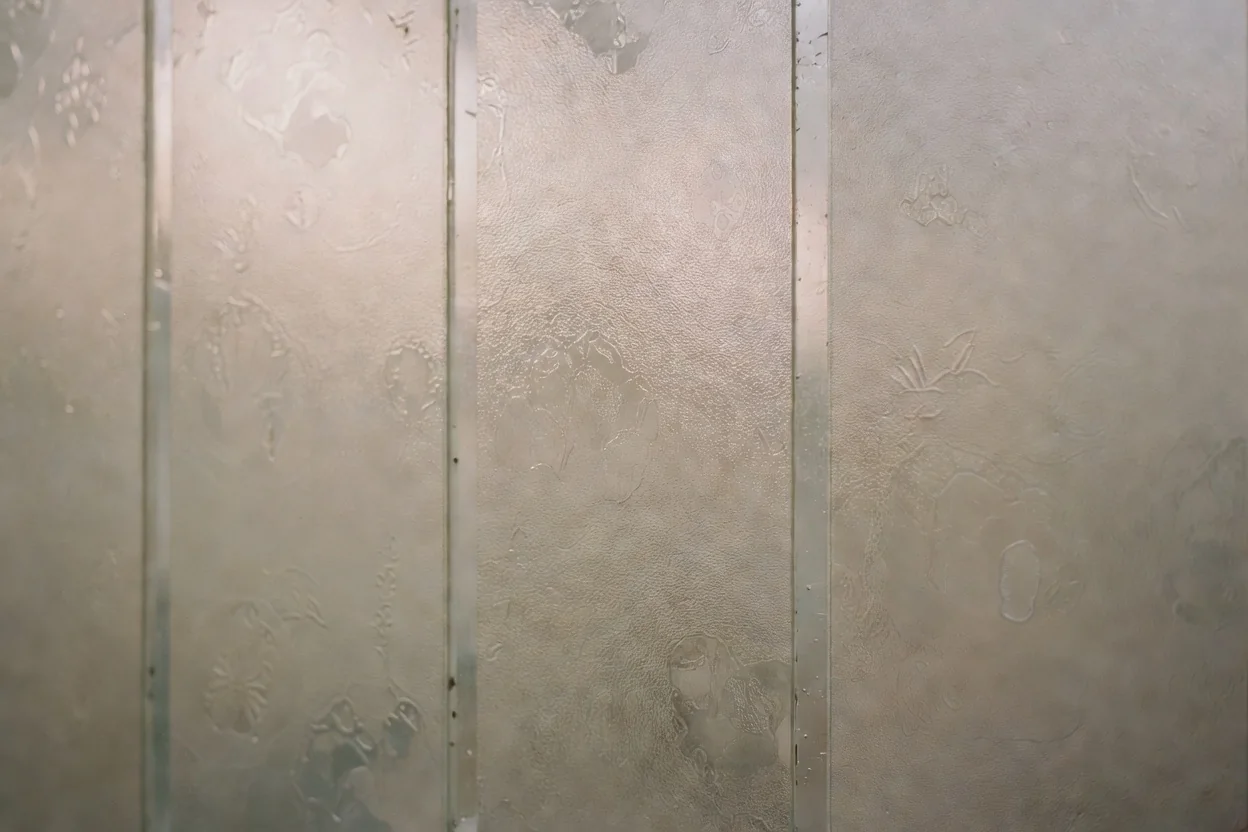
Four main approaches dominate the market today: acid-etched glass, sandblasted glass, frosted adhesive film, and rolled patterned glass. Each creates a different visual texture and level of obscurity. Acid-etched and sandblasted treatments are permanent finishes created at the factory, while film offers a retrofit solution that can be applied to existing clear panes. Rolled patterned glass is formed with textures during the manufacturing process itself, giving consistent, often geometric designs that soften views without fully blocking them.
Understanding Obscurity Levels in Everyday Terms
Manufacturers describe obscurity on a scale that typically runs from 1 to 5, where level 1 allows some silhouettes to remain visible and level 5 renders shapes almost completely indistinct. For most residential uses, level 3 provides a sweet spot: you cannot recognize faces or read text through the glass, yet the room still feels bright.
In bathrooms and powder rooms, many people choose level 4 or 5 near showers or toilets. Entry door lites and sidelights often work well at level 3 so visitors feel welcomed by light rather than confronted by a dark barrier. Office partitions frequently use level 2 or 3 to maintain an open atmosphere while preventing clear sightlines between desks.
Placement Tips
- Position acid-etched or sandblasted surfaces on the interior side of insulated glass units to protect the finish from weather and make cleaning easier.
- Use patterned rolled glass in east- or west-facing windows where strong side light can create interesting shadow patterns on floors and walls.
- Apply frosted film only to smooth, clean surfaces and avoid areas exposed to frequent moisture or abrasion.
- Combine different obscurity levels within the same wall of glass—clear at the top, moderate in the middle, high at the bottom—for both privacy and architectural interest.
- Always verify local building-code requirements for safety glazing in doors and low windows before finalizing your selections.
Maintenance and Longevity Differences
Cleaning methods vary significantly. Acid-etched surfaces can trap microscopic grit in the microscopic pits, so they require gentle, non-abrasive cleaners and soft cloths; harsh scrubbing can dull the finish over time. Sandblasted glass shows fingerprints more readily but cleans with standard glass spray if done regularly. Frosted film is the most vulnerable to scratching and can yellow slightly after eight to ten years in direct sunlight, yet it remains the easiest to replace. Rolled patterned glass behaves much like standard clear glass for cleaning because the texture is on one side only and the opposite face stays perfectly smooth.
All four options integrate well with modern insulated glass units. Placing the treated surface on the room side of a double- or triple-pane assembly protects the privacy finish while preserving thermal performance. Typical double-glazed insulated units with one privacy face add roughly 15-25 percent to the cost of standard clear insulated glass, depending on the obscurity method chosen.
As a rough illustrative guide, frosted film applied to existing glass sits at the lowest tier, followed by patterned rolled glass, then acid-etched, with sandblasted custom patterns occupying the higher end. Local glaziers should be consulted for current pricing in your region, as material and labor costs fluctuate.
| Option | Typical Light Transmission | Maintenance Level | Best Uses |
|---|---|---|---|
| Acid-etched | 75-85% | Moderate (traps dust) | Bathrooms, office partitions |
| Sandblasted | 70-82% | Higher (shows prints) | Entry sidelights, interior doors |
| Frosted film | 68-80% | Low (replaceable) | Retrofit windows, rental spaces |
| Rolled patterned | 78-88% | Low (smooth side) | Feature windows, transoms |
Choosing privacy glass ultimately comes down to balancing three factors: how private the space needs to feel, how much daylight you wish to retain, and how much ongoing care you are willing to provide. A well-selected obscure glass treatment can transform an ordinary window into a quiet architectural asset that works every day of the year. Speak with local glaziers, request physical samples under both daylight and artificial light, and measure the actual light levels in your rooms before making a final decision. The right choice will quietly improve comfort, security, and beauty for decades to come.